
Topsoil
Turf underlay for the finishing layer under new lawns
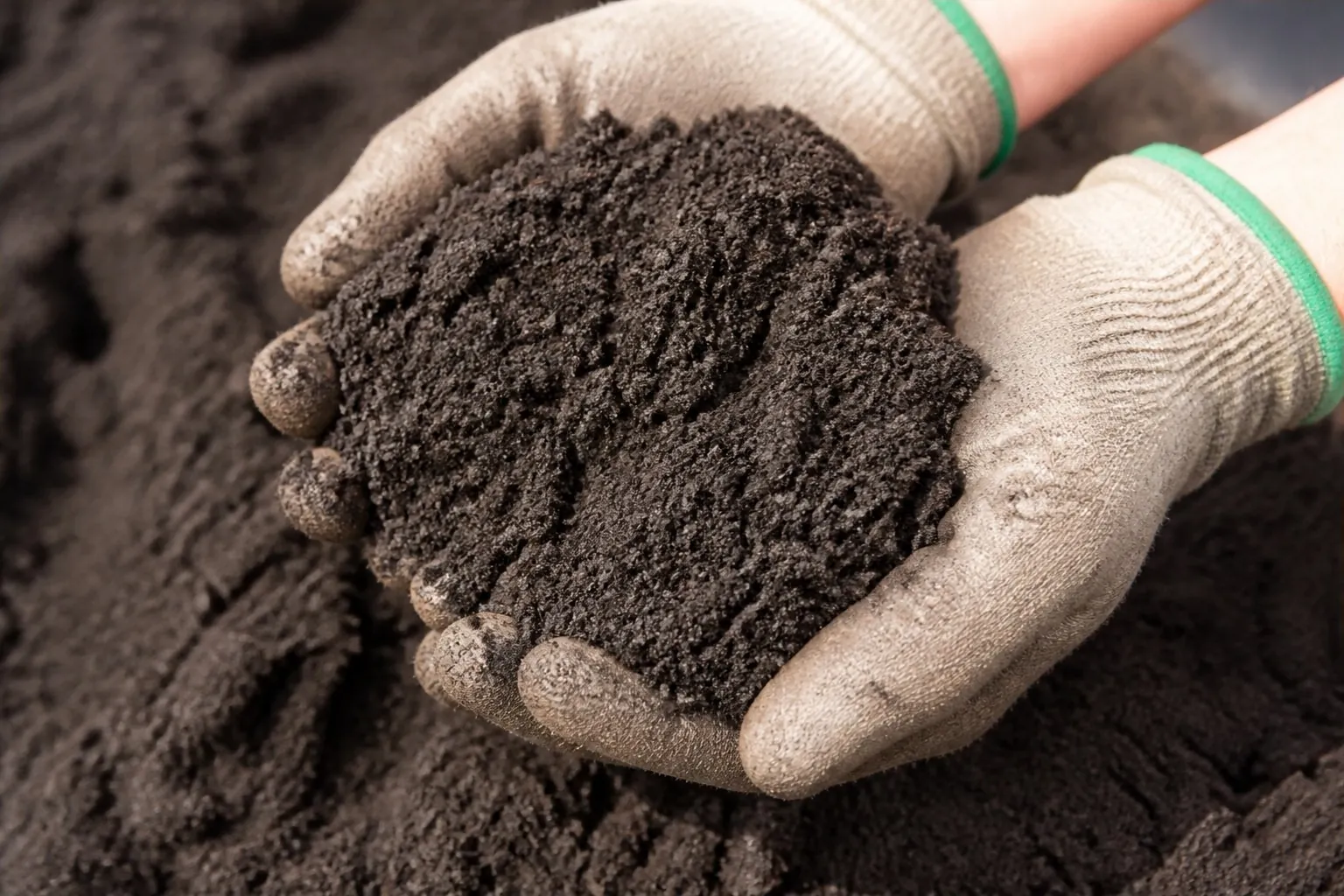
A fine, free-draining soil for the top layer of ground preparation, so new turf sits on an even, workable bed it can root into.
- Five tonnes minimum
- Fine and easy to level
Why a separate finishing layer
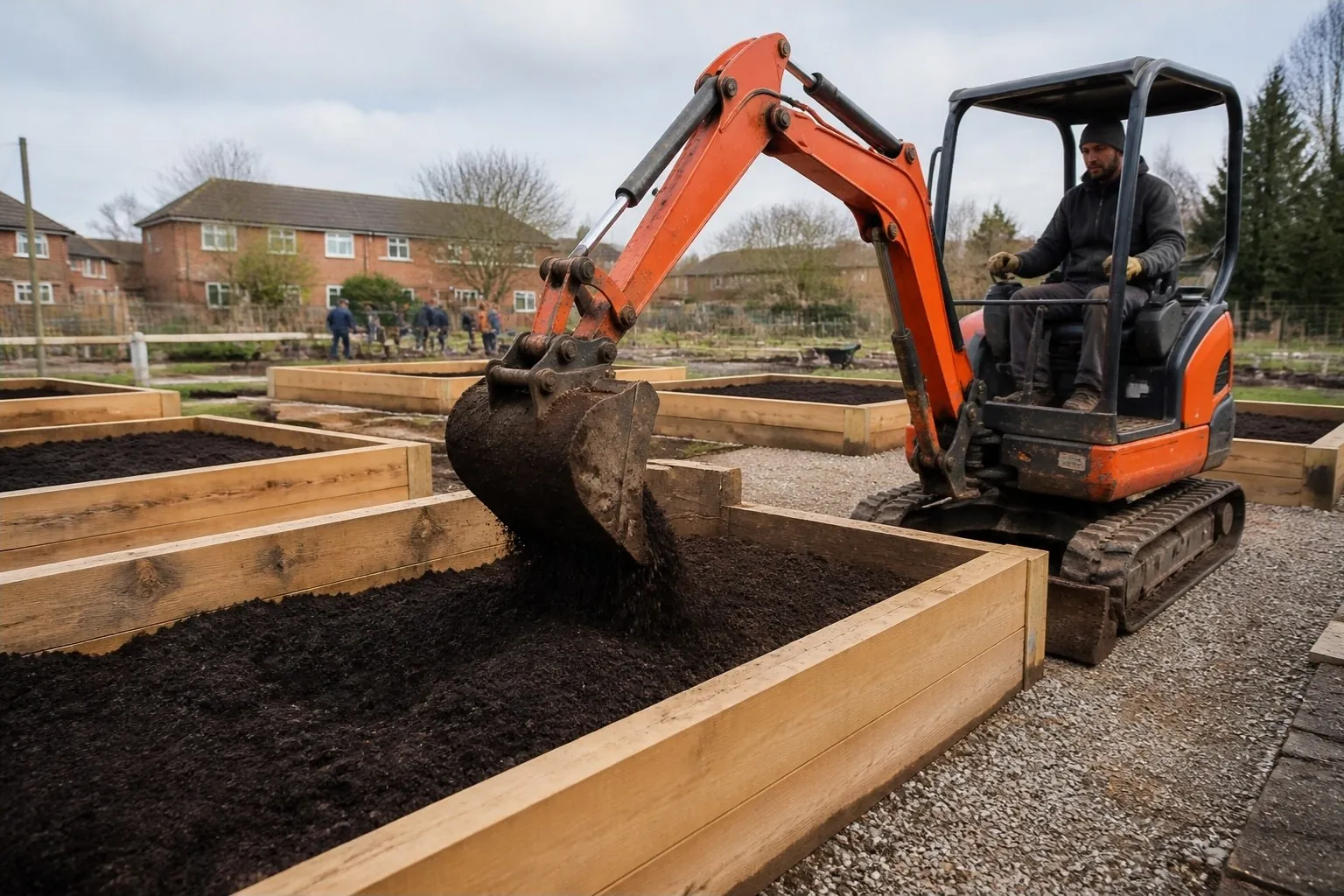
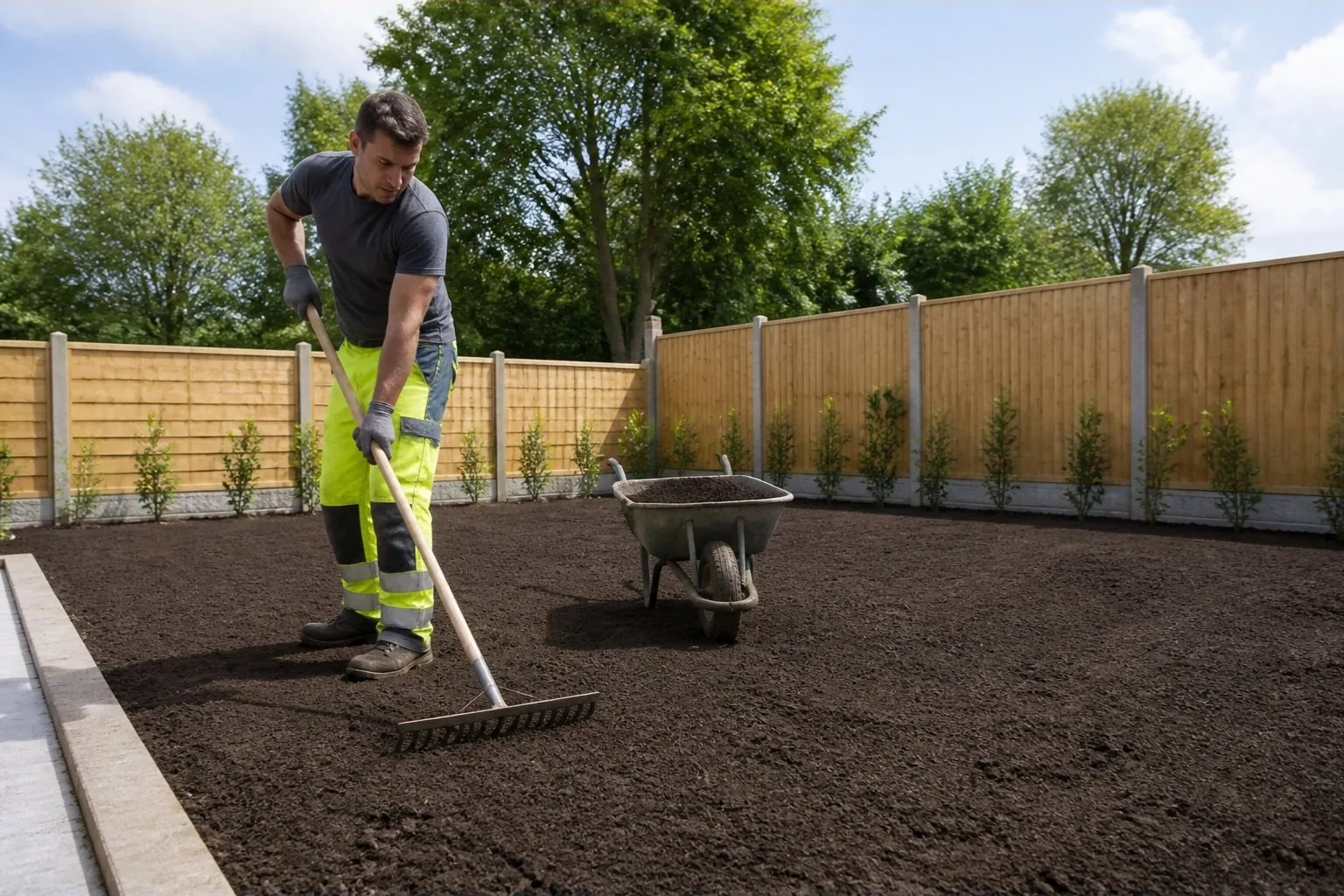
On bigger lawns and new-build plots, screened topsoil makes up the levels and turf underlay goes on top as the final layer. It rakes to a fine, level finish, which makes the turfing faster and the end result smoother.
- New-build gardens and show homes
- Large lawns on landscaping schemes
- Re-turfing after levels have changed
- Turfing contractors laying several gardens on one site
At a glance
- Sold by
- The tonne, from 5 tonnes
- Delivered as
- Loose tipped, or in bulk bags
- Typical depth
- 50–100mm as the finishing layer
- Guide coverage
- About 7m² per tonne at 100mm, about 15m² at 50mm
- Rough density used in our calculator
- 1.35 tonnes per m³
How much underlay for your lawn?
Most lawns need 50–100mm. Enter the lawn area to see a tonnage.
Questions
Do I need underlay if I’m using topsoil?
Not always. On smaller lawns good screened topsoil is enough. On larger areas, a finishing layer of underlay makes it easier to get a smooth, level bed for the turf.
Can I order underlay and screened topsoil together?
Yes. Add both to one request, with five tonnes or more of each.
Compare
Other grades we deliver
-
Screened topsoil
Our general-purpose topsoil, screened to take out stones, roots and clods.
- Good for
- Levelling, filling, new lawns, landscaping
- Usual depth
- 100–150mm under lawns
-
Blended topsoil
Screened topsoil blended with extra organic matter, for planting areas.
- Good for
- Borders, beds, raised planters
- Usual depth
- 300mm or more in beds
-
Top dressing
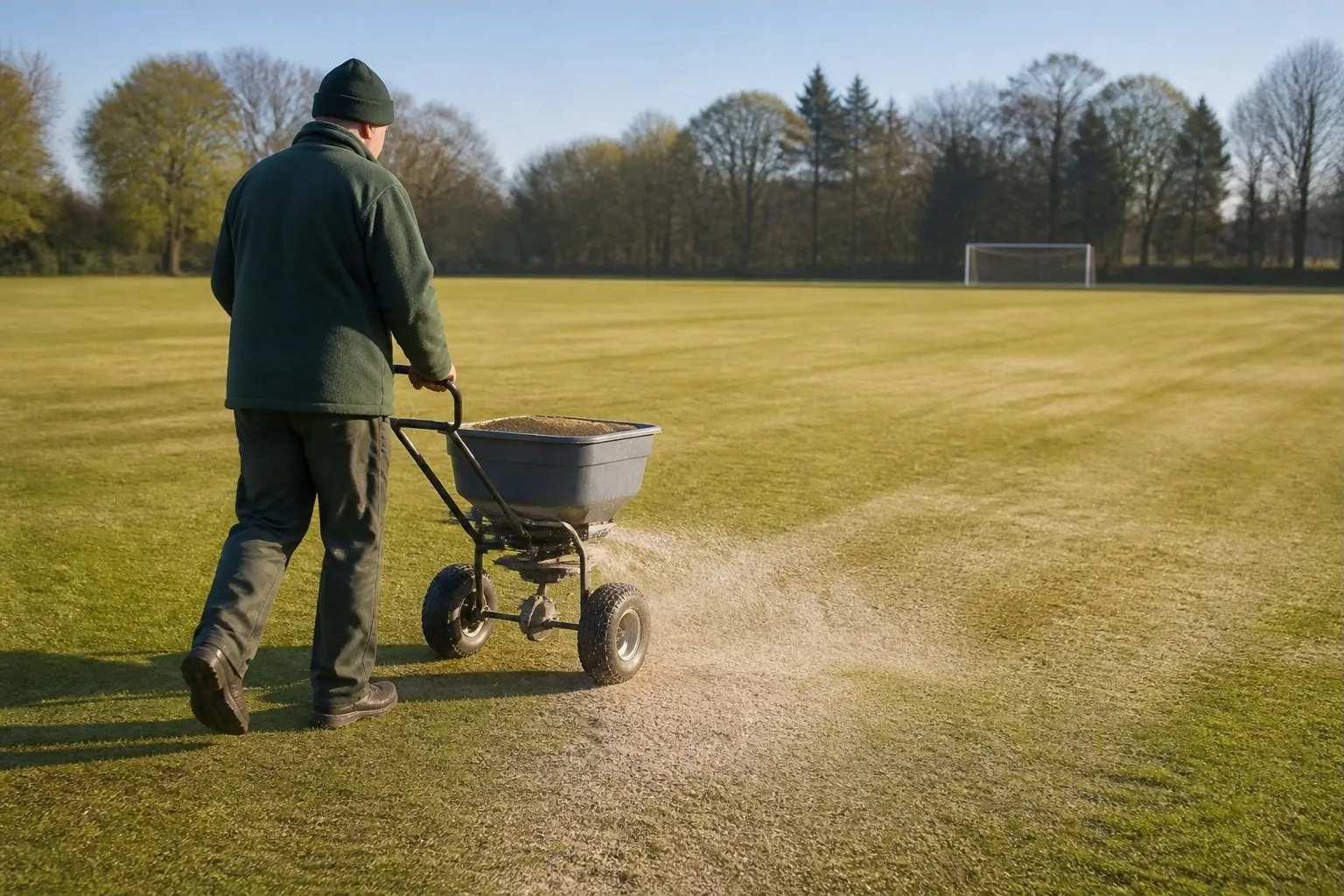
A fine-screened dressing made to be spread thinly over existing grass.
- Good for
- Lawn renovation, sports and amenity grass
- Usual depth
- A few millimetres at a time